Repair TipsLocal Guides
How to tell if you have a slab leak in Wilson
Hearing running water when nothing is on? Warm spots on the floor? Here are the real signs of a slab leak in Wilson homes and what to do next.
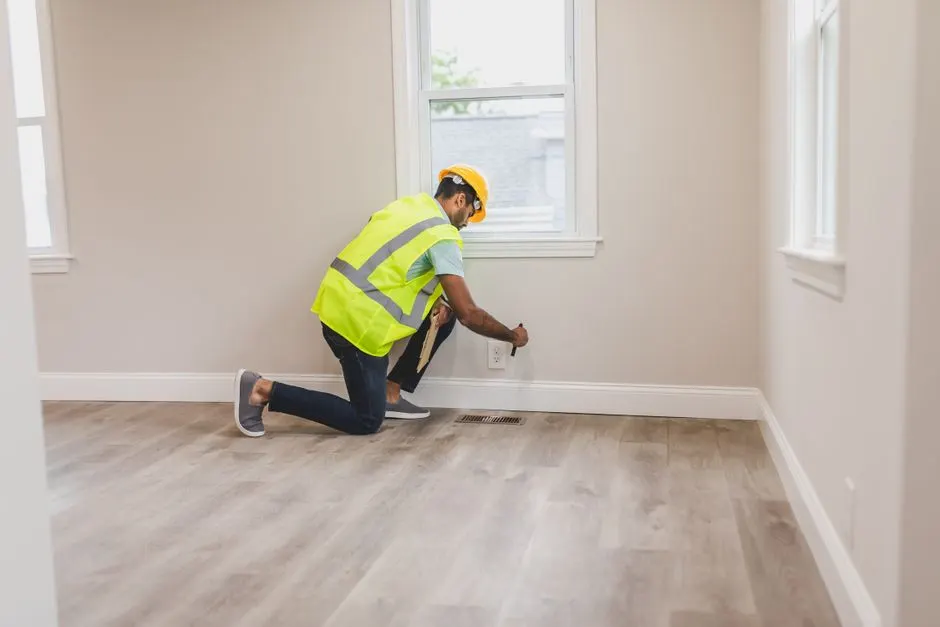
The fastest way to tell if you have a slab leak in Wilson is a water meter that keeps spinning with every fixture shut off, paired with a warm spot on the floor or the sound of running water under the slab. Those three signs together point to a broken pipe beneath your foundation, not a dripping faucet. This guide walks through the symptoms we see most often in Wilson homes, how to run a 10-minute check yourself, and when it is time to call us.
What a slab leak actually is
A slab leak is a plumbing failure in the hot or cold water line that runs beneath your home's concrete foundation, where the pipe has cracked, corroded, or shifted and started leaking into the soil under the slab. In Wilson, most homes built between the 1950s and 1990s have copper supply lines under the slab, and copper that age is the single most common source we find. Newer PEX and CPVC lines fail too, but usually at joints or where the pipe rubs against rebar.
The leak itself is rarely dramatic. Water escapes slowly, soaks into the soil, and either rises through the slab or drains away along the gravel bed under the foundation. That is why slab leaks can run for weeks before a homeowner notices anything. By the time water reaches the surface, you are usually looking at a repair plus some floor or drywall work.
If you want a plain-language definition: how to tell if you have a slab leak in Wilson NC comes down to three things - unexplained water use, unexplained warmth or moisture on the floor, and unexplained sound under the slab. Any one of those deserves a closer look.
The first signs most Wilson homeowners notice
The early signs of a slab leak in Wilson almost always show up as a combination of a higher water bill and something odd on the floor. Here is what we hear from customers before they call us.
- Water bill jump. A typical Wilson household uses 4,000 to 6,000 gallons a month. A slab leak can add 2,000 to 10,000 gallons without any change in habits.
- Warm spots on the floor. If the hot water line is leaking, the slab or tile above it will feel warm to the touch - sometimes 10 to 15 degrees warmer than the surrounding floor.
- Damp or buckling flooring. Tile that pops loose, laminate that cups at the seams, or carpet that stays damp after cleaning.
- Musty smell. Wet soil under a slab grows mold and mildew. If one room smells like a basement, that is a clue.
- Meter spinning with everything off. This is the most reliable single sign. Shut off every fixture and watch the low-flow dial on your meter for two minutes.
One of these alone might be a coincidence. Two or three together is a slab leak until proven otherwise.
What does a slab leak sound like in a Wilson home?
A slab leak usually sounds like a faint hiss, a steady trickle, or a low rushing noise coming from the floor itself - not from a wall or ceiling. Press your ear to the floor in the quietest room of the house, ideally at night with the HVAC off. If you hear water moving when nothing is running, that is the sound of a pressurized line leaking under the slab.
Hot-water slab leaks are often louder because the line is under pressure and the water is warm. Cold-water leaks can be nearly silent and only show up on the meter. We have walked into Wilson homes where the homeowner heard the noise for a month and assumed it was the refrigerator or the AC condensate line.
If you hear it and you cannot pin it to an appliance, call us. Our Acoustic Leak Detection Wilson NC uses microphones and amplification to pinpoint the leak to within a few inches before we cut anything.
How to check for a slab leak in Wilson NC yourself
You can run a basic slab leak check in about 10 minutes with nothing but your water meter and your ears. Here is the sequence we recommend.
- Shut off every water-using appliance - washer, dishwasher, ice maker, water heater, irrigation.
- Make sure no toilets are running and no faucets drip.
- Find your water meter, usually in a concrete box near the curb or in the front yard.
- Watch the low-flow indicator (the small triangle or dial) for two full minutes. Any movement means water is moving through the system.
- Note the reading, wait one hour without using any water, and read it again. A change of more than a gallon or two points to a leak.
- Walk the house barefoot. Feel for warm spots, soft spots, or tile that has lifted.
If the meter test is positive, the next step is confirming the leak is under the slab and not in a wall, an irrigation line, or a toilet flapper. That is where professional Slab Leak Detection Wilson NC pays for itself - we use electronic and acoustic equipment to find the exact spot instead of guessing.
For a deeper walkthrough of the tools we use, our team covers it in detail on our Electronic Leak Detection Wilson NC page.
Why Wilson's soil and older homes make slab leaks worse
Wilson sits on a mix of clay and sandy loam that expands when wet and shrinks when dry, and that cycle is hard on pipes under a slab. A dry summer pulls the soil away from the foundation, the slab shifts slightly, and a pipe that was already stressed from decades of use cracks at a joint. Then a wet fall pushes the soil back, and the leak starts moving water into places it should never be.
Homes in the older parts of town - especially around Slab Leak Repair/Plumbing in Downtown Wilson - tend to have the original copper lines and the original slab, which means 50 to 70 years of thermal cycling on the same pipe. We see more hot-water slab leaks in those homes than anywhere else in the city. Newer construction on the west side has its own pattern: PEX lines that were stapled too tight during install, which rubs a pinhole through the pipe within 10 to 15 years.
If you are in one of the neighborhoods off Raleigh Road or Ward Boulevard, our Slab Leak Repair/Plumbing in West Wilson crew handles those calls weekly and knows the common failure points.
Common mistakes when a slab leak is suspected
The biggest mistake we see is waiting. A slab leak does not heal, and the longer it runs, the more it costs. Here is what to avoid.
- Assuming it is the toilet. A running flapper wastes water, but it does not warm the floor or make noise under the slab. Rule it out with a dye test, then move on.
- Jackhammering the first wet spot. Water travels along the gravel bed under a slab, so the wet spot on the surface is often 5 to 15 feet from the actual leak. Break concrete in the wrong place and you have paid for a repair plus a patch for nothing.
- Shutting off the water and calling it fixed. Turning off the main stops the damage, but it also stops your household. That is a temporary move, not a solution.
- Hiring the cheapest quote without a detection step. If a contractor wants to start cutting concrete without locating the leak first, walk away. We locate, then repair.
- Ignoring the water bill. A $40 jump one month is a warning. A $200 jump is an active leak.
One more: do not pour concrete patch over a repaired line without pressure-testing it first. We test every line before we close it up, so you are not reopening the floor in six months.
When to call a professional
Call a professional the moment your meter test shows water moving with everything off, or the moment you feel a warm or damp spot on a slab floor. Those two signs together are as close to a confirmed slab leak as you can get without equipment.
We handle the whole job - locate, repair, and re-test. If the line is too far gone to patch, we reroute it through the attic or walls so you never have to open the slab again. Our Pipe Rerouting Wilson NC service is often the smarter long-term call on a 1960s home with original copper.
If you would rather not guess, our Slab Leak Repair Wilson NC team can be at your door, find the leak, and give you a flat price before we start. No surprises, no hourly meter running while we look.
Frequently Asked Questions
How do I know if I have a slab leak in Wilson NC?
Watch your water meter with every fixture off. If the low-flow dial moves for two straight minutes, you have a leak. Pair that with a warm spot on the floor or the sound of running water under the slab, and it is almost certainly a slab leak.
What are the first signs of a slab leak in Wilson?
The first signs are usually a water bill that jumps 20% or more with no change in habits, a warm patch on the floor, and a faint hiss under the slab at night. Damp carpet or tile that pops loose often follows within a few weeks.
Can a slab leak fix itself in Wilson?
No. A slab leak is a physical break in the pipe, and water pressure keeps it open. Some slow leaks seal temporarily with mineral buildup, but they reopen. The only real fix is locating and repairing or rerouting the line.
What should I do if I suspect a slab leak in Wilson?
Shut off the main water valve to stop the damage, then call us at +1 619 927 0746. Do not break concrete until the leak is located. We find the exact spot first, then repair it and pressure-test the line before we leave.
How much does slab leak repair cost in Wilson NC?
Typical 2026 pricing in Wilson runs $800 to $2,500 for detection plus a spot repair, and $3,500 to $7,500 if the line needs to be rerouted through the attic or walls. The final number depends on how deep the line sits and how much flooring has to come up.
Get help with Slab Leak Repair/Plumbing in Wilson
If any of the signs above sound familiar, do not wait for the floor to buckle. We find the leak, fix it, and test the line before we leave, and you get a flat price up front.
Call +1 619 927 0746 and we will get a technician to your Wilson home today.