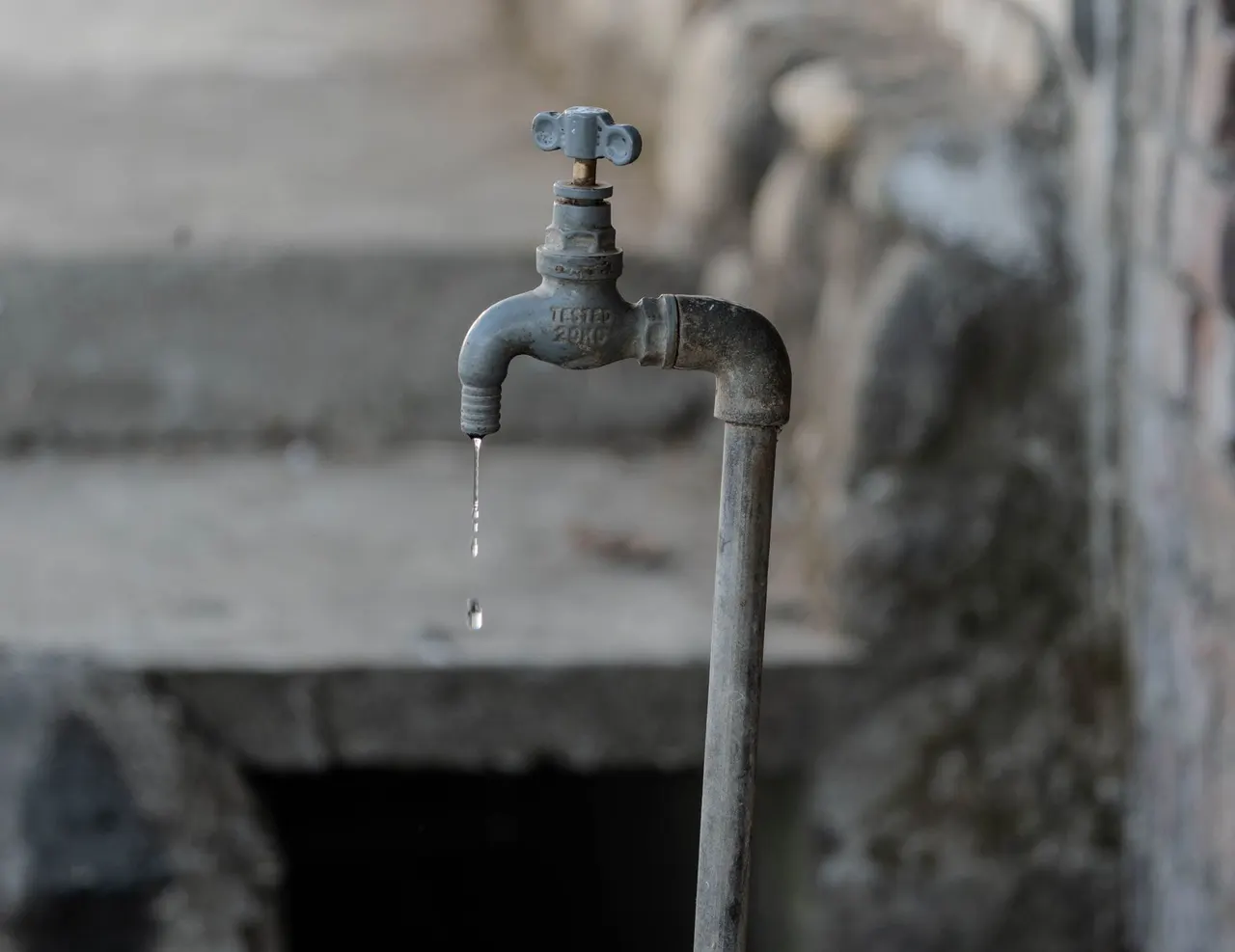
Marked location
Tape and photo of the leak spot
Slab Leak Detection Wilson NC is the fastest way to stop a hidden water leak from wrecking your foundation and your water bill. We use acoustic listening gear, thermal imaging cameras, and pressure testing to pinpoint the exact break under your slab. Homeowners and property managers across Wilson call us when they hear running water with no faucet on, see warm spots on the floor, or get a water bill that jumped $80 or more in one month.
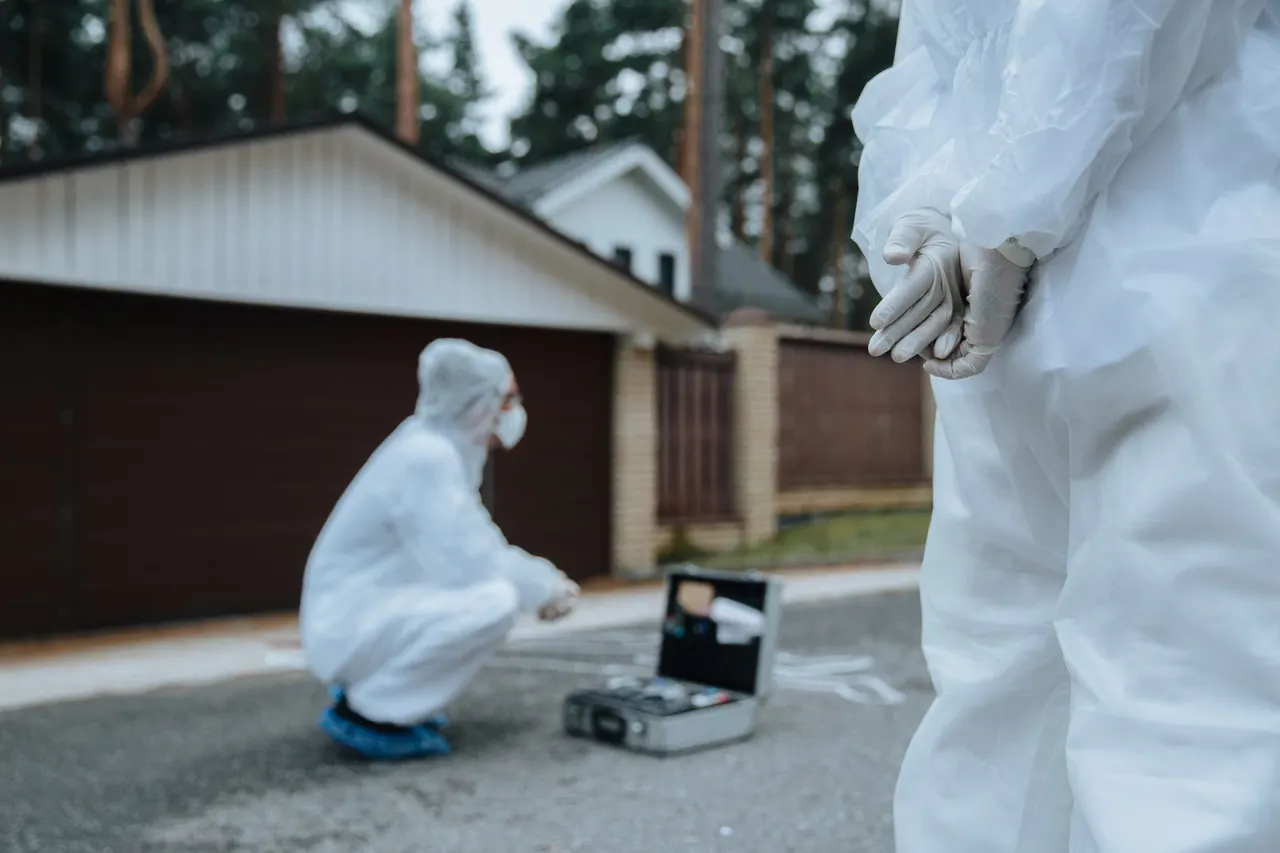
Every detection visit covers the full diagnostic process, not just a quick listen. You get pressure testing, acoustic and thermal scanning, line tracing, a marked location, and a written summary with repair options. Detection fees are quoted upfront, and if you book the repair with us, part of the fee goes toward the work.

We find hidden leaks under your slab using acoustic and thermal tools, then mark the exact spot so the repair stays small. You get a clear location and a written summary before any concrete is opened.
We locate slab leaks in commercial buildings and rental properties with minimal disruption to tenants and operations. You get documentation and a marked location for repair planning.
Slab Leak Detection Wilson NC is the process of finding a pressurized water line leak buried under your concrete foundation without tearing up the whole floor. We start by isolating the water system, then pressurize the line with a gauge to confirm there is a leak. From there we use acoustic leak detection equipment to listen for the hiss of water escaping the pipe, a thermal imaging camera to spot temperature changes in the slab, and a pipe locator to map exactly where the copper pipe or PEX tubing runs under your home. Once we mark the spot, we know precisely where to open the floor.
Wilson homes built before 1990 often have copper pipe under the slab, and 30-plus years of Wilson County soil movement and water chemistry takes a toll. Pipe corrosion, foundation movement, and even a cracked slab from a dry summer can all trigger a hidden water leak. If you are searching for slab leak detection Wilson NC near me, you probably already noticed the signs: a high water bill, warm spots on the floor, or the sound of running water when everything is off. We confirm the leak, mark it, and give you a straight answer on repair options the same day.
We listen, measure, and mark the leak before any concrete comes up.
Every job follows the same five steps. You will know what is happening, what it costs, and what comes next at each stage. Most detections are finished in two to four hours.
You call and describe what you are seeing: high water bill, warm floor, running water sound, or a wet spot at the baseboard. We ask a few questions to rule out a running toilet or irrigation leak, then book a slab leak inspection Wilson NC visit. Most calls get a same-day or next-morning slot.
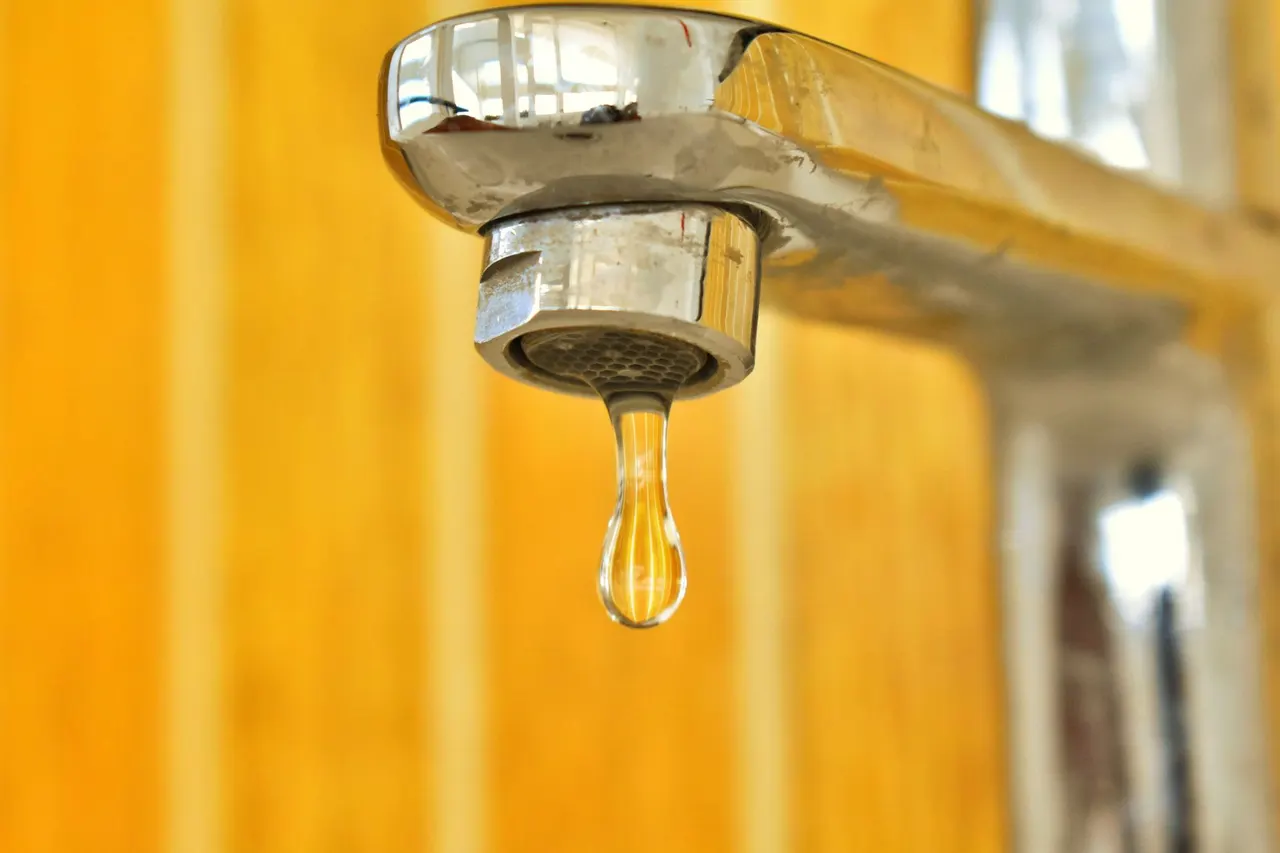
On arrival, we shut off the main and isolate the domestic water lines from irrigation and fixtures. A pressure gauge goes on the system and we watch it hold or drop. If pressure falls with everything off, the leak is confirmed under the slab. This step takes about 20 minutes.
We walk the floor with acoustic leak detection equipment, listening for the distinct hiss of pressurized water escaping a pipe. A thermal imaging camera backs up the audio by showing temperature differences in the slab. Where both signals line up, we have our leak. This is the core of professional slab leak detection Wilson.
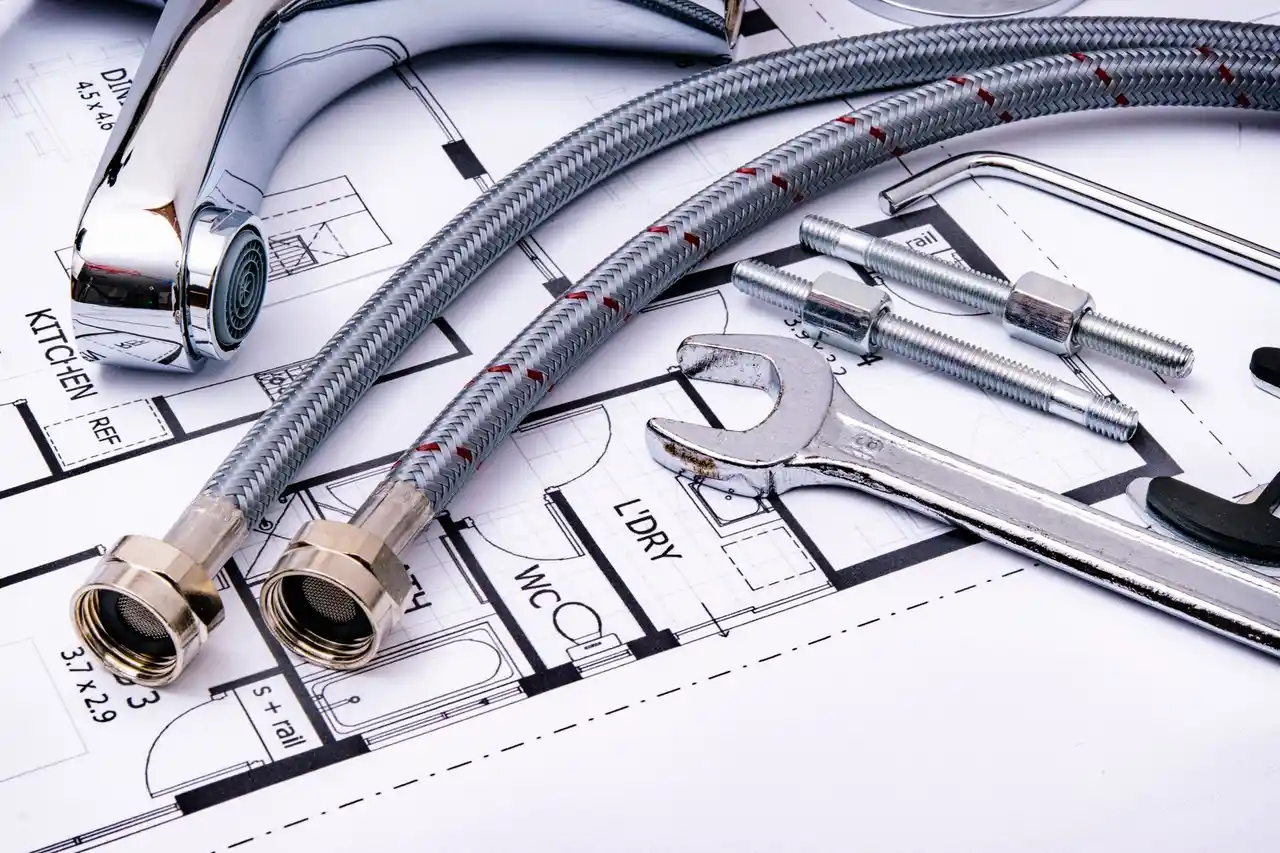
A pipe locator traces the exact path of the copper pipe or PEX tubing under the slab so we know which line is leaking and where it runs. We mark the spot on the floor with tape and a photo. You see exactly where the repair will happen before anyone touches concrete.
We walk you through what we found, show the marked location, and lay out the repair choices: spot repair, pipe rerouting, or re-piping the affected line. You get a clear price for each option and we schedule the repair when you are ready. No pressure, no surprise add-ons.
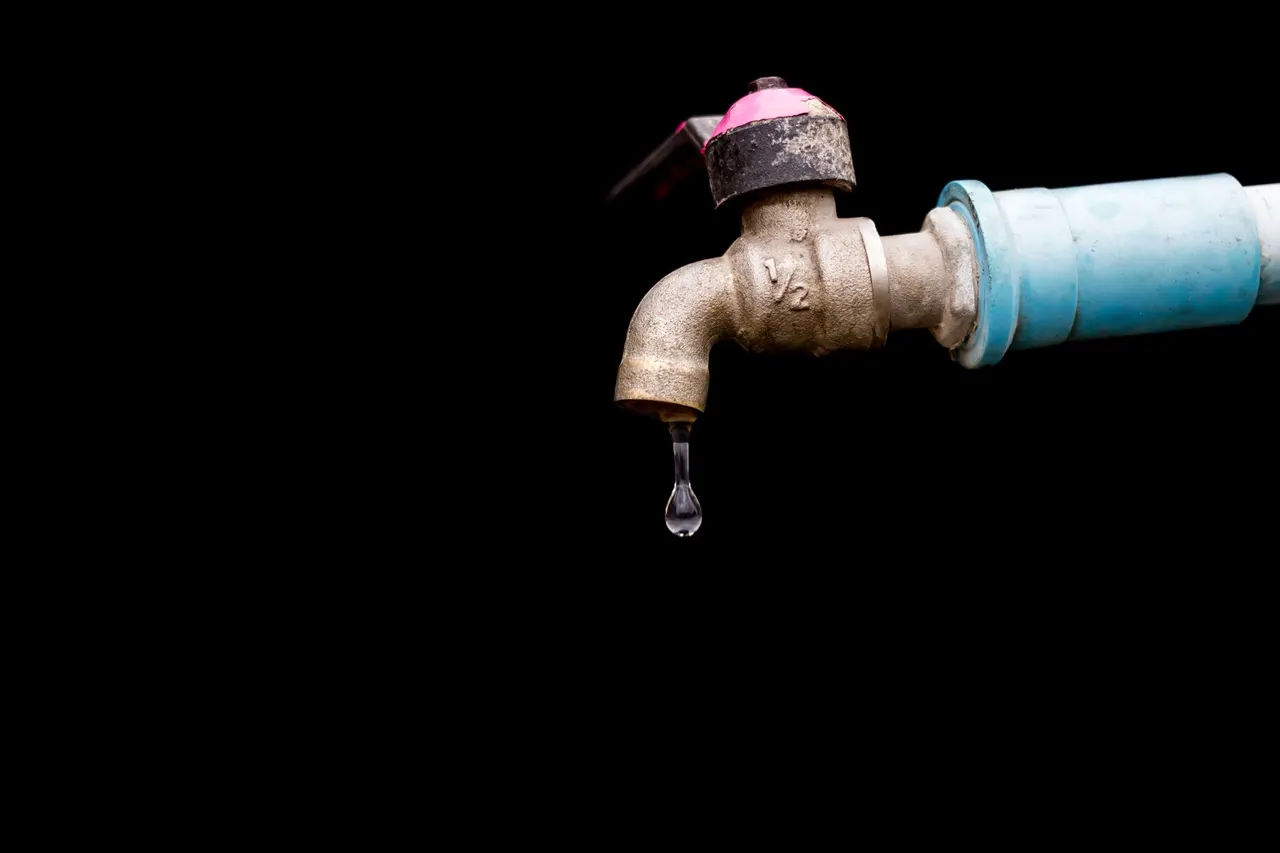
Amplified listening devices that pick up the sound of pressurized water escaping a pipe under the slab. We use Sewerin and RIDGID gear for accurate readings.
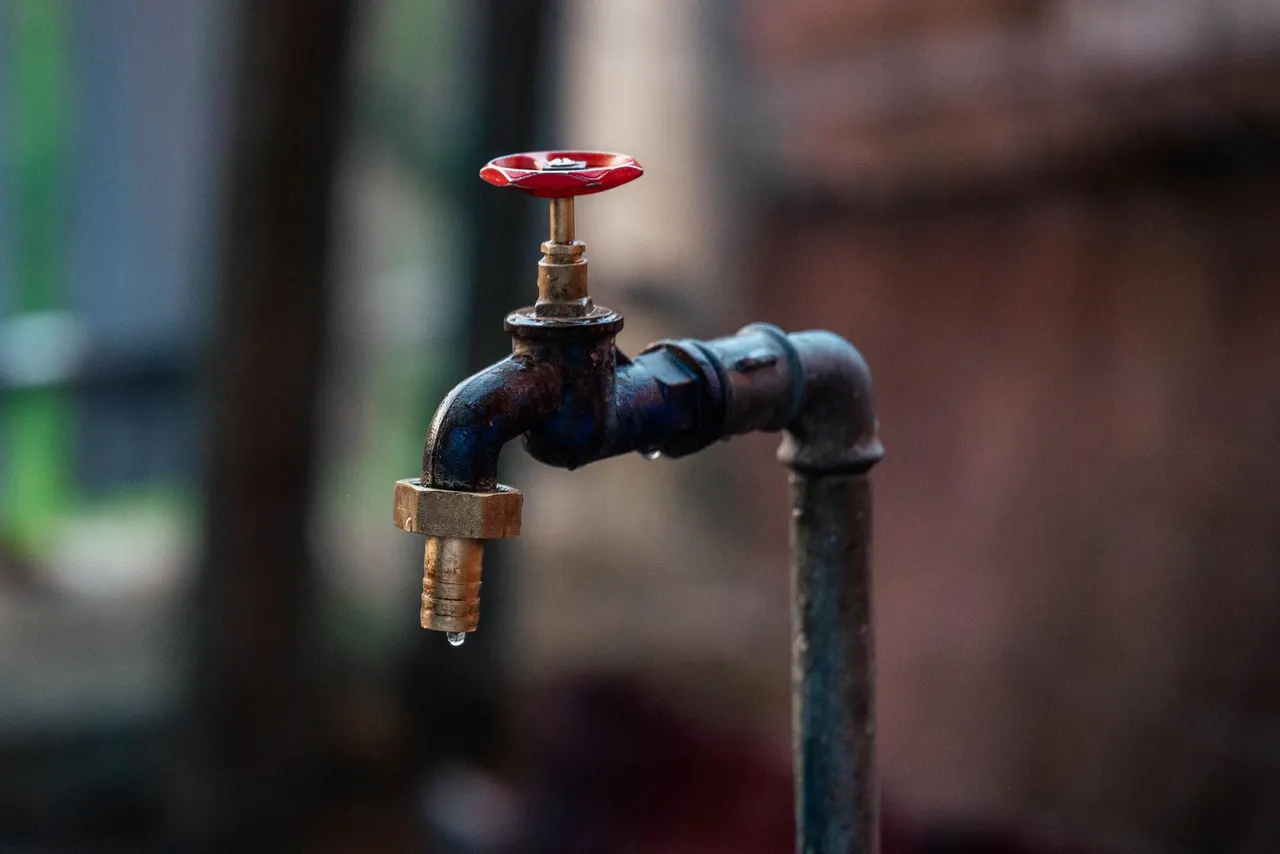
A Fluke thermal camera shows temperature differences in the slab caused by hot or cold water leaking from a pipe. It confirms what the acoustic gear hears.
Traces the exact path of copper pipe or PEX tubing under the slab so we know which line is leaking and where it runs before we mark the floor.
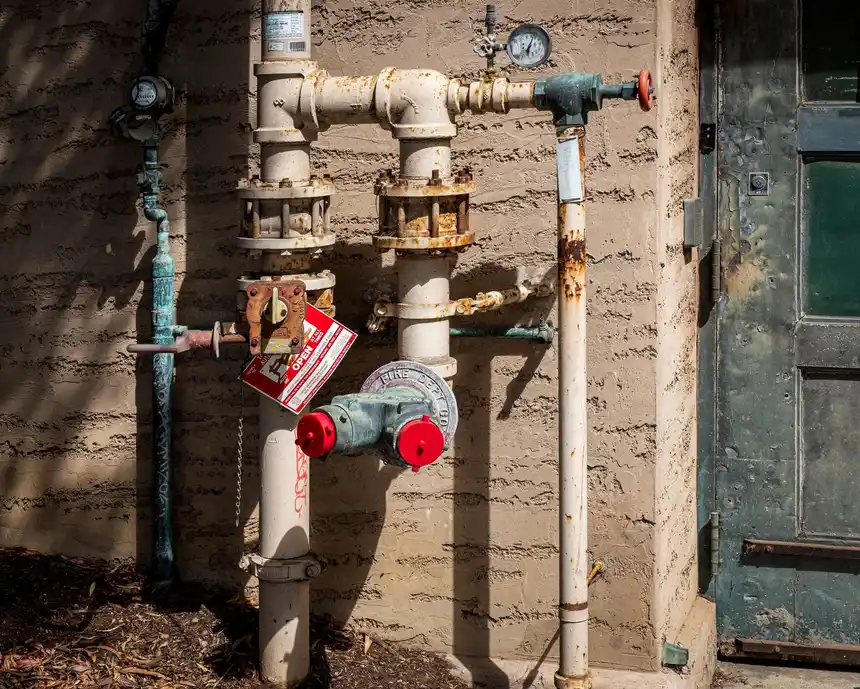
Confirms the leak by showing pressure loss in the isolated water system. A steady drop with all fixtures off means the leak is under the slab.
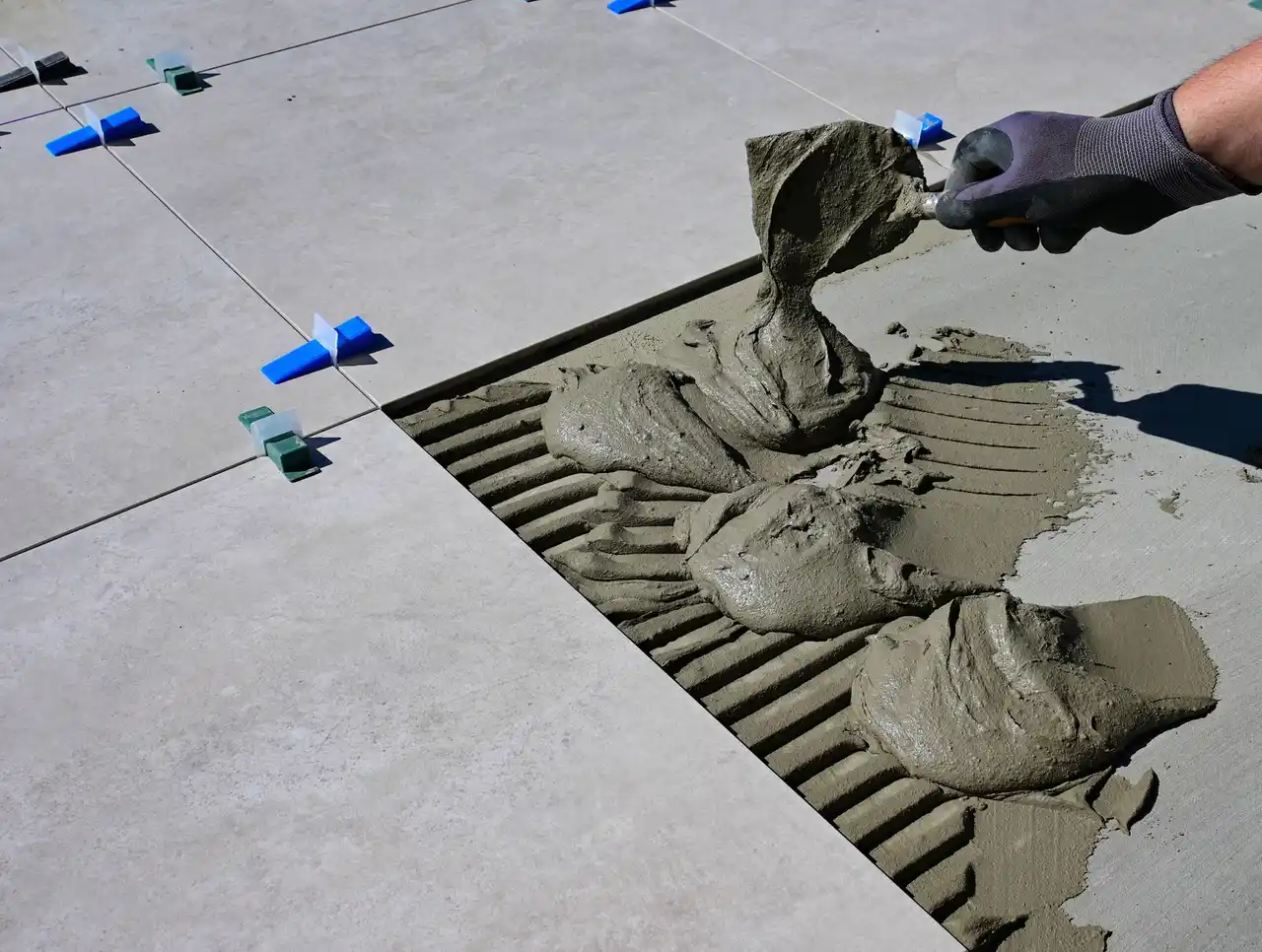
Used on accessible lines and drains to check for corrosion, cracks, or blockages that could point to a slab leak or a related pipe failure.
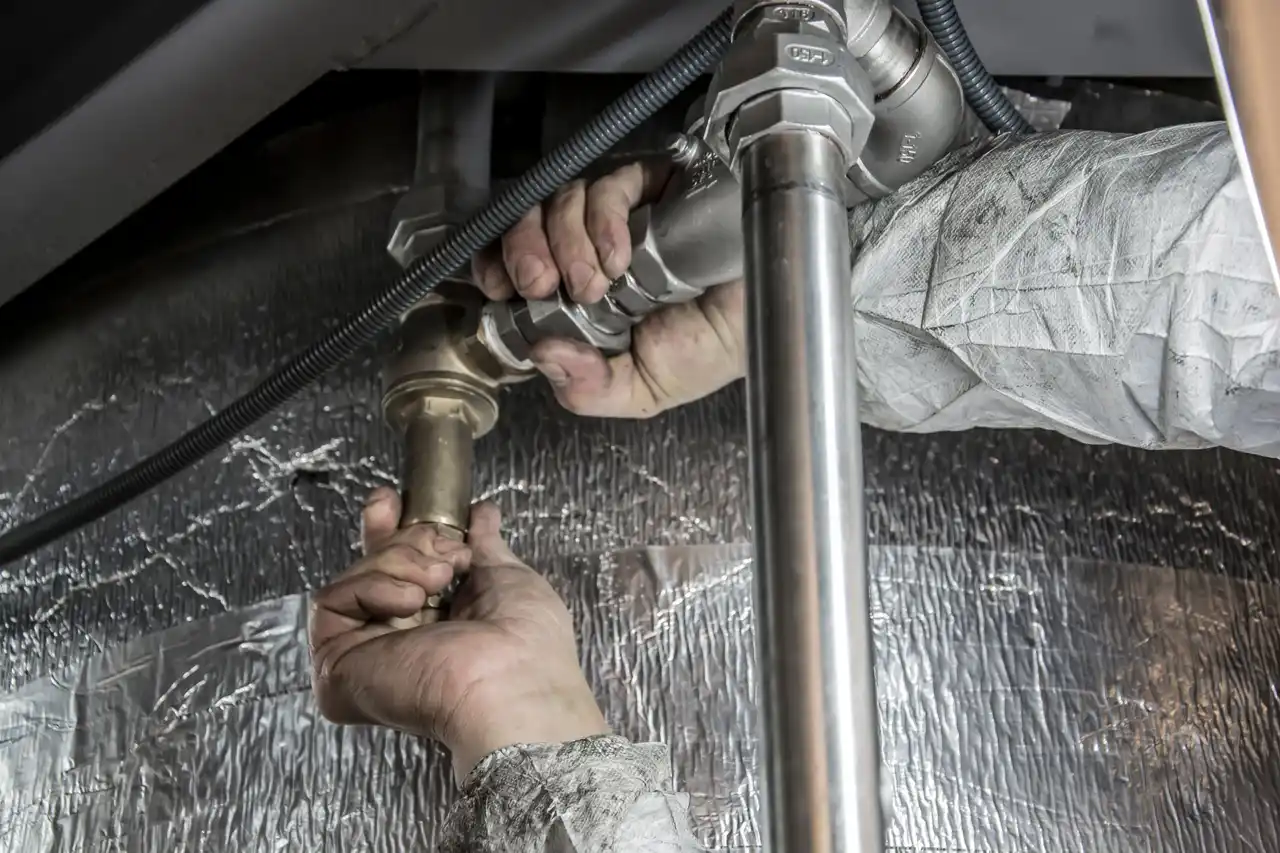
Standard repair tools we carry so we can move straight from detection to repair without a second trip. We also stock SharkBite and Uponor fittings for PEX repairs.
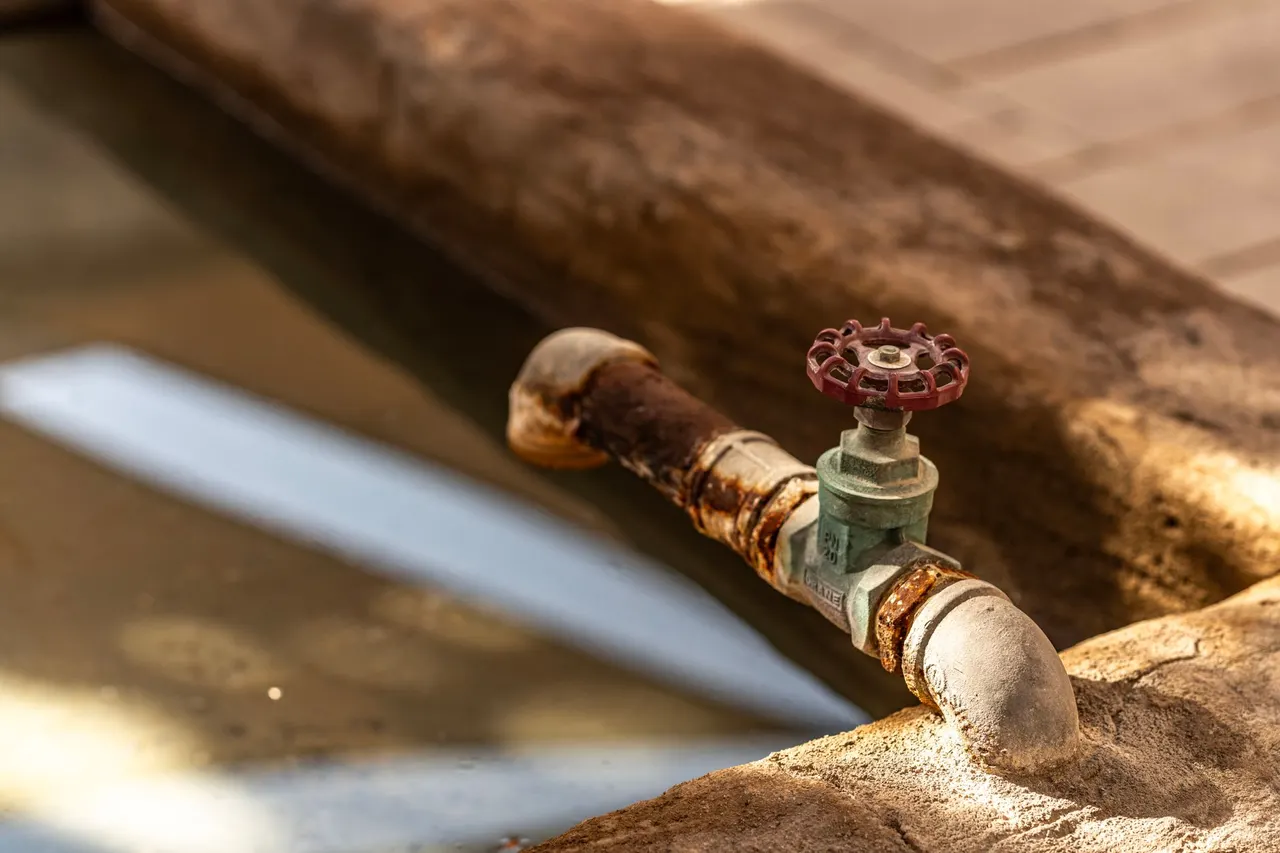
We shut off the main, isolate irrigation and fixtures, and pressurize the domestic water system. A pressure gauge shows whether the system holds. If it drops, the leak is confirmed under the slab. This method rules out false alarms before we scan.
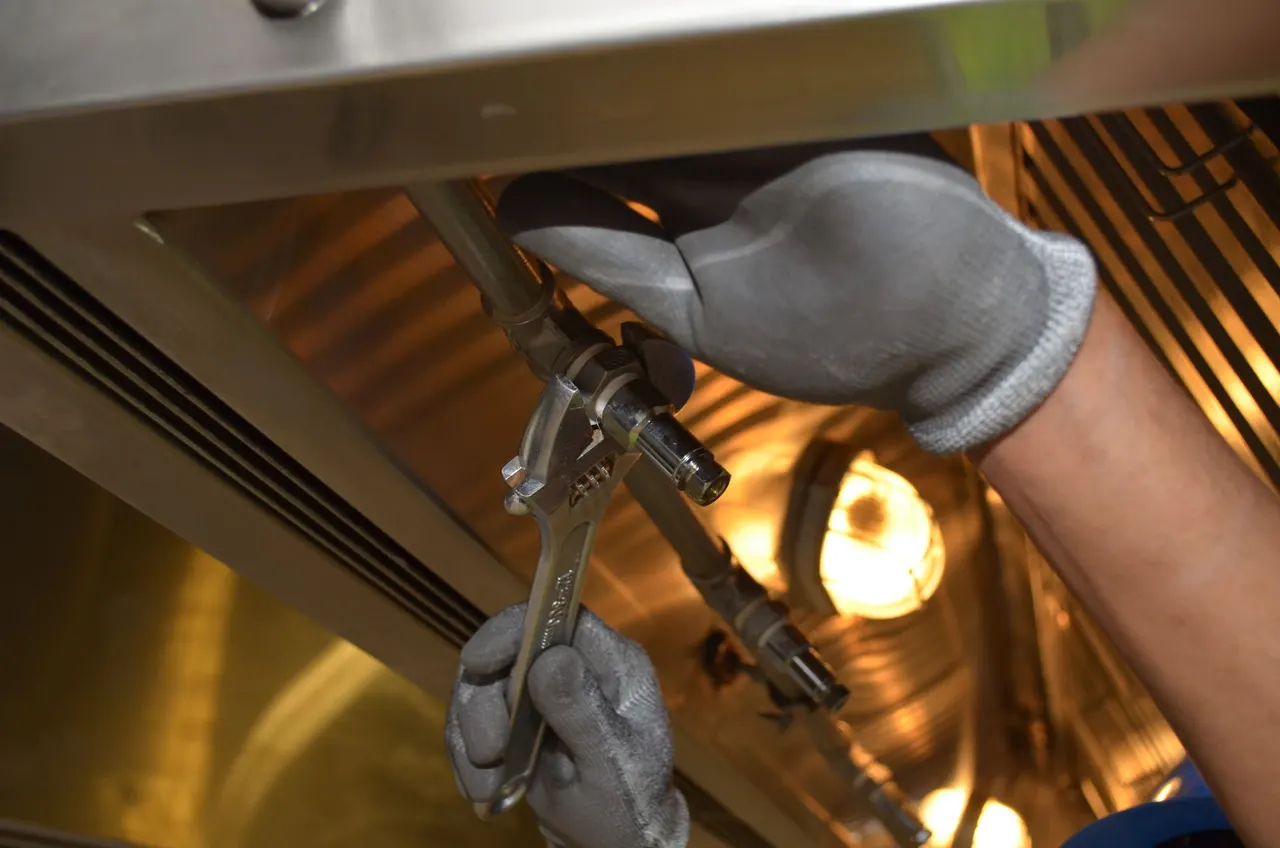
We scan the floor with acoustic gear and a thermal camera at the same time. Where the sound of escaping water and the temperature change overlap, we have a high-confidence leak location. Two signals agreeing is far more reliable than either one alone.
We schedule a same-day detection visit, pressure-test the system, and scan the floor with acoustic and thermal gear. The leak is located under the hallway slab and marked for repair. The customer gets a confirmed location, a repair quote, and a fixed line within 48 hours. The next water bill returns to normal.
We use thermal imaging and acoustic listening to confirm a hot water slab leak, then recommend rerouting the line through the attic instead of cutting the slab. The tenant stays in the unit, the flooring is untouched, and the leak is fixed in one day with no slab demolition.
We inspect the existing copper pipe, document the corrosion pattern, and price both a spot repair and a full re-pipe with PEX tubing. The homeowner chooses re-piping, which ends the cycle of slab repairs and restores full water pressure throughout the house.
We perform a full detection with pressure testing, acoustic scanning, and thermal imaging, then provide a written report with photos and the marked location. The owner submits the report with the claim, and the repair is approved without a second inspection.
Wilson sits on clay-heavy soil that expands when wet and shrinks when dry, and that movement is hard on pipes under a slab. Homes built before 1990 usually have copper pipe, which corrodes faster in Wilson's water chemistry than PEX tubing does. Newer construction in West Wilson and the 27896 ZIP code often has PEX, which is more flexible but still vulnerable at fittings. Summer droughts and winter freezes both trigger slab leaks here, and we see a spike in calls after the first hard freeze in January. If you need affordable slab leak detection Wilson NC, we keep pricing transparent and schedule same-day visits for active leaks. We work in the 27893, 27894, and 27895 ZIP codes regularly and know which neighborhoods have the oldest plumbing stock.
A 1970s home had a water bill that jumped from $65 to $210 in one month. The homeowner heard running water at night and saw a warm spot near the hallway. We confirmed a hot water slab leak under the hall with acoustic and thermal gear.
We opened one 24-inch section of slab, repaired the copper pipe, and pressure-tested the line at 80 PSI for 30 minutes. The concrete patch was finished the same day, and the next water bill came in at $68.
We recommended a full line inspection in 12 months to check for corrosion elsewhere on the same copper run. Annual pressure testing catches new leaks early.
A rental unit had a second slab leak in three years, both on the same PEX line. The property manager wanted to stop the cycle of slab repairs and avoid displacing the tenant again.
We rerouted the line through the attic using Uponor PEX tubing and SharkBite fittings, capped the old slab line, and restored full pressure. The tenant stayed in the unit, and no concrete was cut.
Attic lines should be checked once a year for fitting leaks or rodent damage. We include a pressure test in the annual check.
A commercial property owner had water pooling near an exterior wall and needed proof of a slab leak for an insurance claim. The damage was spreading, and the adjuster wanted documentation before approving repairs.
We performed a full detection with pressure testing, acoustic scanning, and thermal imaging, then provided a written report with photos and the marked location. The claim was approved without a second inspection, and the repair was completed in two days.
We set up a quarterly pressure check on the remaining lines to catch any new leaks before they cause damage. The owner gets a one-page report after each check.
A slab leak never fixes itself. The longer water runs under your foundation, the more damage it does to the slab, the soil, and your floors. Here are the problems we see most often and how we solve them.
We pressure-test the system, confirm the leak, and locate it with acoustic and thermal tools. Most customers get a confirmed location the same day and a repair scheduled within 48 hours, which stops the water loss immediately. A hidden leak can waste 10,000 gallons or more per month, and the cost keeps climbing until the leak is found and fixed. Foundation damage follows if it runs long enough.
We trace the hot water line with a pipe locator and confirm the leak with thermal imaging. Once located, we repair the line or reroute it through the attic to avoid future slab work. Flooring stays intact in most cases. Warm spots usually mean a hot water line is leaking under the slab. The heat damages flooring, warps wood, and can loosen tile adhesive over time.

Our acoustic leak detection equipment picks up the exact sound signature and narrows the location to a small area. We mark it, show you the evidence, and give you repair options the same visit. That sound is pressurized water escaping a pipe. It will not stop on its own, and it usually means the leak has been running for weeks before you noticed.

We find and fix the leak first, which stabilizes the soil. Once the source is stopped, cosmetic crack repairs actually hold. We document the leak location and repair for your records. Recurring cracks often mean the soil under the slab is shifting because of a leak. Patching the cracks without fixing the leak is wasted money.
A slab leak can waste 10,000 gallons or more per month, which shows up as $80 to $200 extra on a Wilson water bill. We pinpoint the leak so the repair happens fast and the meter stops spinning. Most customers see their bill return to normal the first full billing cycle after the fix.
Water under a slab softens soil, causes foundation movement, and leads to cracks in walls and floors. Catching the leak early with electronic slab leak detection Wilson North Carolina keeps the soil stable and saves you from a $6,000-plus foundation repair. Detection costs a fraction of that.
Guessing means jackhammering the wrong spot. Our acoustic leak detection equipment and thermal imaging camera narrow the leak to within a few inches, so we open one small section of floor instead of half the room. Less concrete dust, less downtime, and a smaller concrete patch when we are done.
We schedule slab leak inspection Wilson NC appointments with a two-hour arrival window and usually have a confirmed location the same visit. You get a marked spot, a written summary, and a clear next step before we leave. No waiting three days for a callback.
Clear records you can keep and share.
Tape and photo of the leak spot
One-page report with findings and options
Clear quotes for each repair method
A slab leak is a symptom, not the whole problem. Knowing which line failed and why helps you choose between a spot repair and a reroute.
Hot water leaks show up as warm floor spots and fail faster due to heat stress. Cold line leaks often go unnoticed until the water bill jumps. The detection method is the same, but the repair urgency differs.
A spot repair fixes one leak but leaves the rest of the line in place. A reroute moves the line out of the slab entirely. If the pipe has failed more than once, rerouting usually costs less over five years.
A pressure gauge confirms the leak is under the slab and not a running toilet or irrigation line. Skipping this step leads to unnecessary concrete work. We always test before we scan.
Not sure if we cover your street? Call and ask. +1 619 927 0746
Most slab leak detection jobs in Wilson run $180 to $450, with the average around $275. The price depends on home size, how many lines need testing, and whether the slab is accessible. That fee covers pressure testing, acoustic scanning, thermal imaging, and line tracing. If you book the repair with us, we credit a portion of the detection fee toward the work.
We isolate the water system, pressurize it with a gauge, and watch for pressure loss. Then we scan the floor with acoustic leak detection equipment and a thermal imaging camera to hear and see the leak. A pipe locator traces the line so we can mark the exact spot. The whole process takes two to four hours and does not require cutting concrete.
The most common signs are a water bill that jumps $80 or more in a month, warm spots on the floor, the sound of running water when everything is off, cracks in walls or flooring, and damp carpet or baseboards. If you notice two or more of these, call us for a slab leak inspection Wilson NC before the damage spreads.
Yes. Acoustic listening gear, thermal imaging, and pressure testing all work through the slab surface, so we locate the leak before any concrete comes up. We only open the floor after you approve the marked spot. That keeps the repair small and the concrete patch to a single section instead of a whole room.
If your water bill jumped, your floor feels warm, or you hear running water with everything off, call us now. We schedule same-day slab leak detection across Wilson County and give you a confirmed location before we leave. Call +1 619 927 0746.
Call us at +1 619 927 0746 or email info@slableakrepairwilsonnc.com. We answer calls Monday through Friday, 8am to 6pm, and return after-hours messages first thing the next morning. If you have a slab leak, call. We will tell you what we can do and when we can be there.