Written scope
Clear plan of what we'll reroute and where.
Pipe Rerouting Wilson NC means running new water lines around corroded or leaking pipes instead of tearing up your whole slab. If you're seeing warm spots on the floor, hearing running water when nothing's on, or watching your water bill climb, rerouting is often the fastest fix. We handle homes and businesses across Wilson County with copper or PEX, and we leave you with a dry floor and a system that holds pressure.
Every reroute we do includes the essentials: detection, planning, new lines, testing, and cleanup. We don't nickel-and-dime you for the basics. Here's what you get when you hire us.
We reroute failing water lines in houses across Wilson. You get a permanent fix without jackhammering your slab.
We reroute supply lines in commercial buildings with minimal disruption. You stay open while we fix the problem.
Pipe rerouting means we abandon the failing section of pipe under your slab and run a new line through the attic, walls, or ceiling to feed your fixtures. It's not a patch. It's a permanent bypass. We cut the old line out of service, cap it, and route new copper or PEX tubing to every fixture that was on that branch. You get full water pressure back without jackhammering your entire floor. Most reroutes take one to three days depending on how many fixtures we're reconnecting and how far the new line has to travel.
In Wilson, we see this a lot in older homes with copper pipes that have pitted from decades of aggressive water. The slab leaks start small, then you notice a warm spot near the bathroom or a water bill that jumped $80 in one month. Whole home re-piping Wilson NC is the long-term answer when multiple lines are failing. We've rerouted lines in homes off Ward Boulevard and in the neighborhoods around Downtown Wilson. If you're searching for pipe rerouting Wilson NC near me, we're local and we can usually get eyes on it the same day you call.
We run new lines around failing pipes so you don't have to tear up your floor.
We keep it simple: find the problem, plan the route, run new lines, test everything, and clean up. Here's how a typical reroute goes from start to finish.
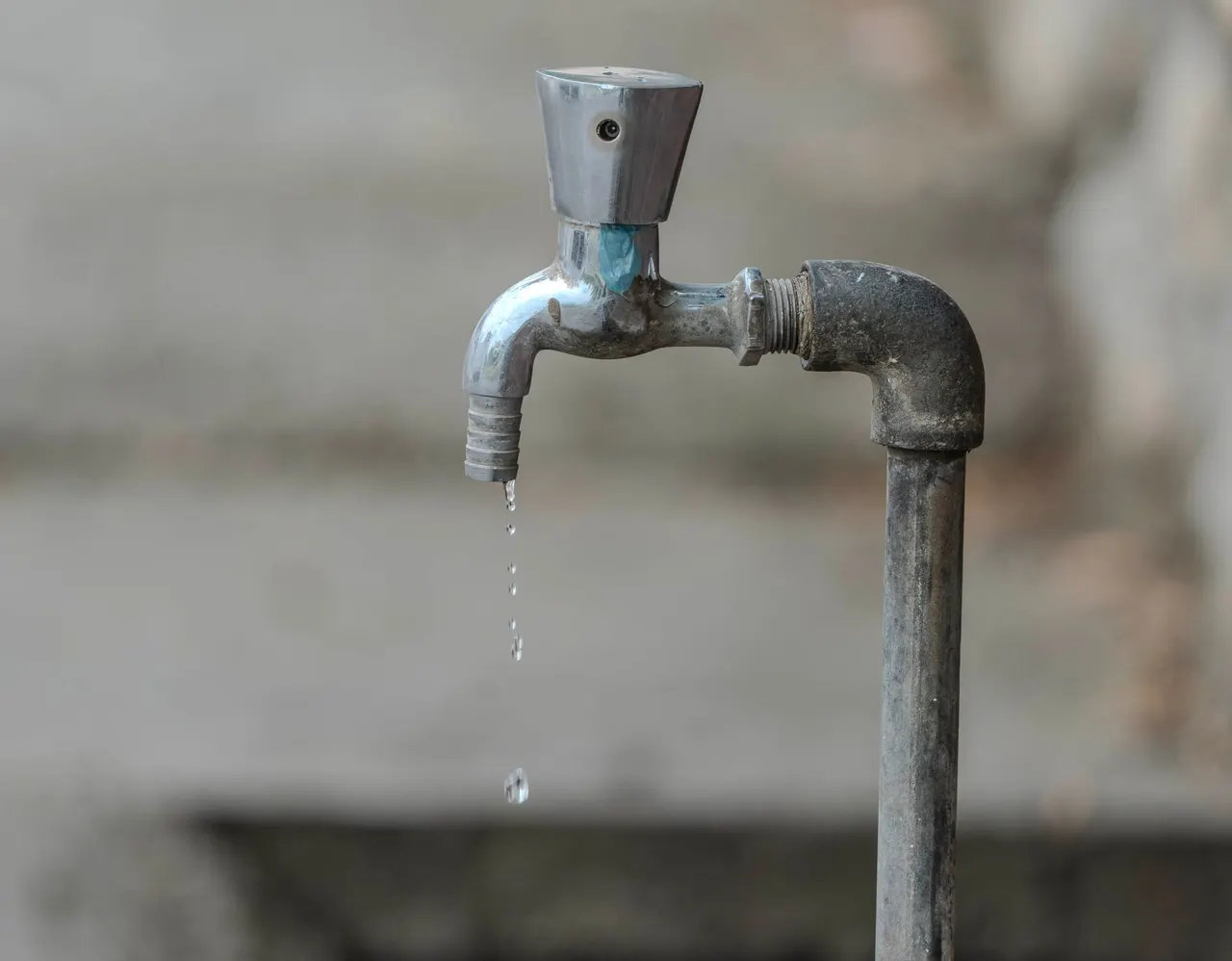
We start with electronic leak detection equipment and acoustic listening gear to pinpoint exactly where the line is failing. If needed, we run a video inspection camera through the drain or use thermal imaging to confirm. You get a clear answer on what's leaking and where before we quote any work.
We map out the new path through your attic, walls, or ceiling. The goal is to reach every fixture on that branch with the fewest cuts to drywall and the least disruption. We show you the plan and explain where the new lines will run before we start cutting.
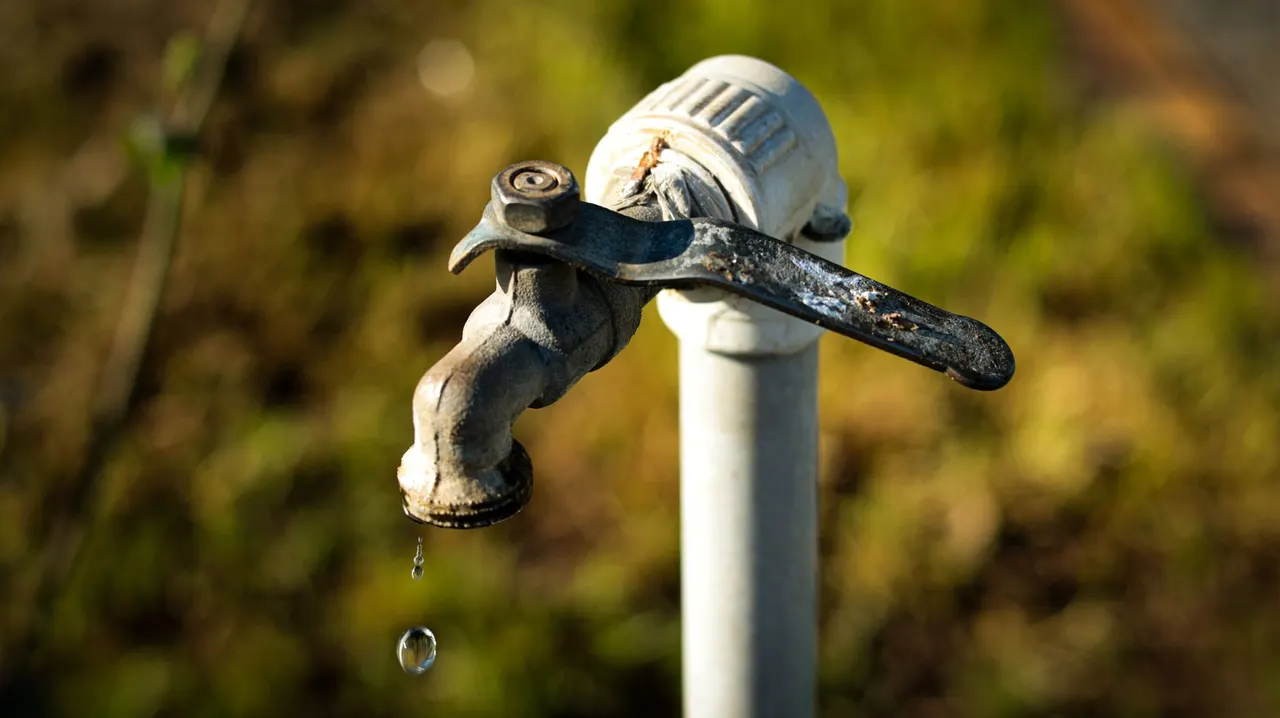
We run copper or PEX tubing from the main supply to each fixture. All connections are soldered or crimped to code, and we use quality fittings from Ferguson or SharkBite where appropriate. This is the bulk of the work, and it usually takes one to two days.
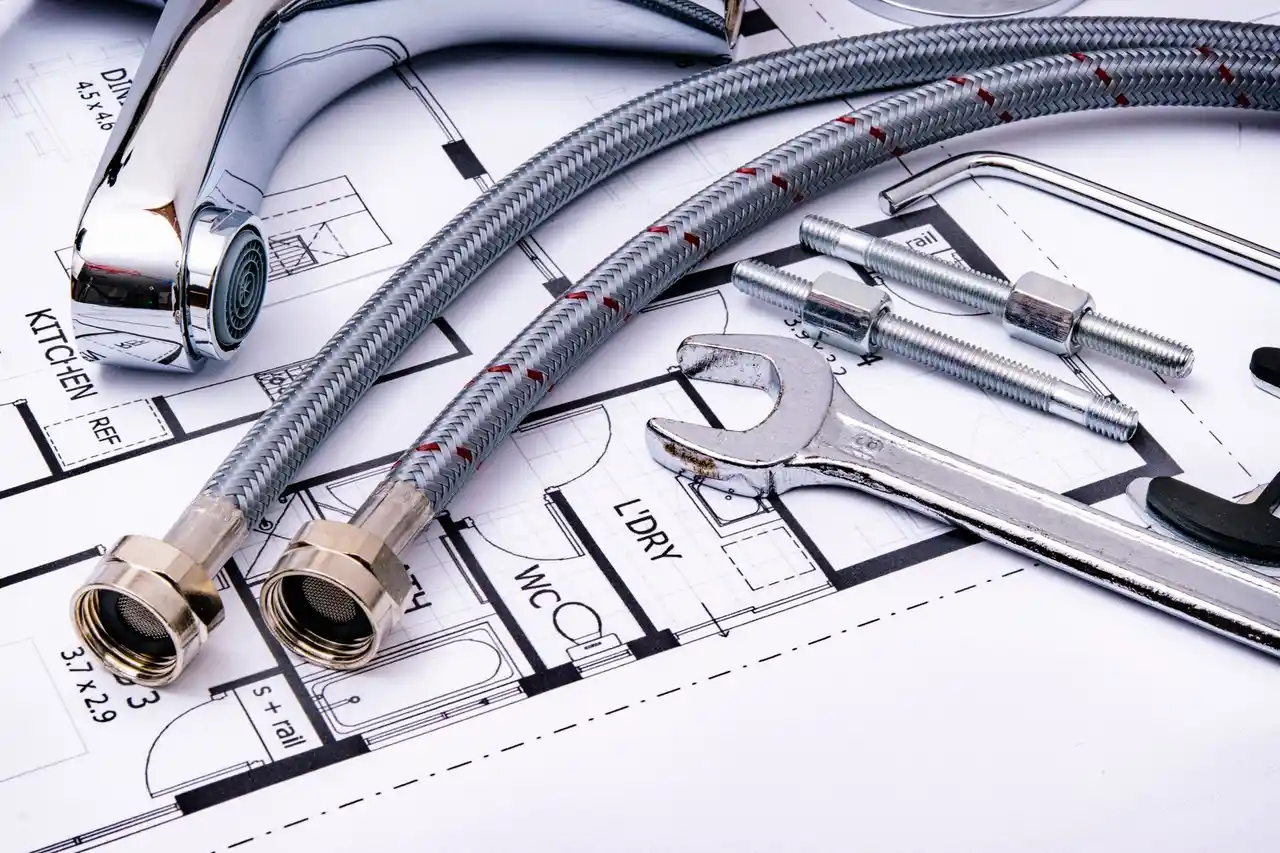
Before we close anything up, we pressurize the new lines and hold them to confirm there are no leaks. We check every joint with a pressure gauge and visual inspection. If something's off, we fix it now, not after the drywall goes back.
We patch any drywall we opened, clean up the work area, and walk you through what we did. You'll know where the new lines run and how to shut them off if you ever need to. We don't leave until you're satisfied and the water's running clean.
We use listening gear to hear water escaping under the slab. It helps us pinpoint the leak before we plan the reroute.
A thermal camera shows us warm spots on the floor that indicate a hot water leak. It's fast and non-invasive.
We run a camera through lines when needed to check for corrosion, blockages, or damage that affects the reroute plan.
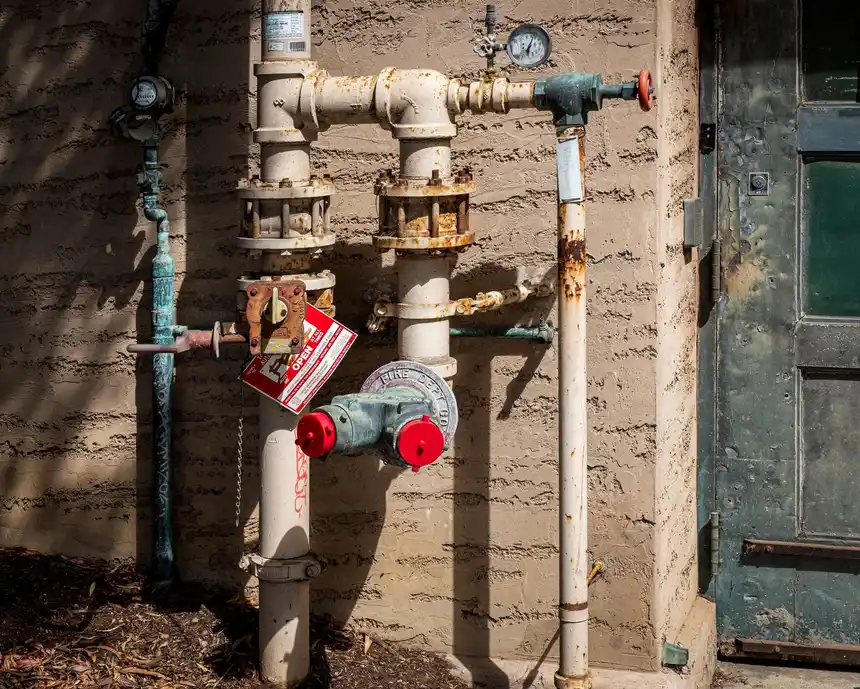
We use a pipe locator to trace the path of existing lines so we know exactly where they run before we cut.
We pressure-test every new line before closing up walls. The gauge confirms the system holds and there are no leaks.
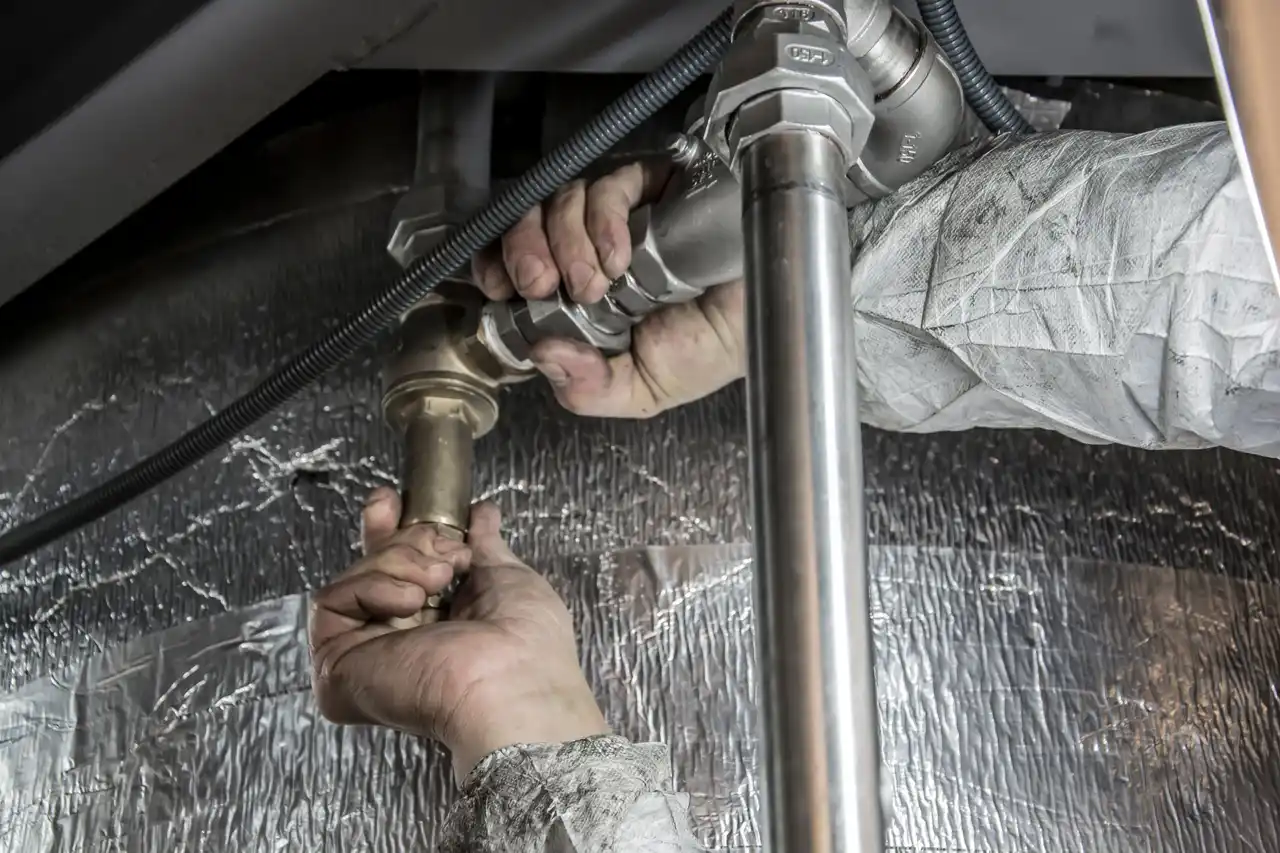
For copper lines, we solder joints with a torch and use pipe wrenches to secure fittings. Every joint is made to code.
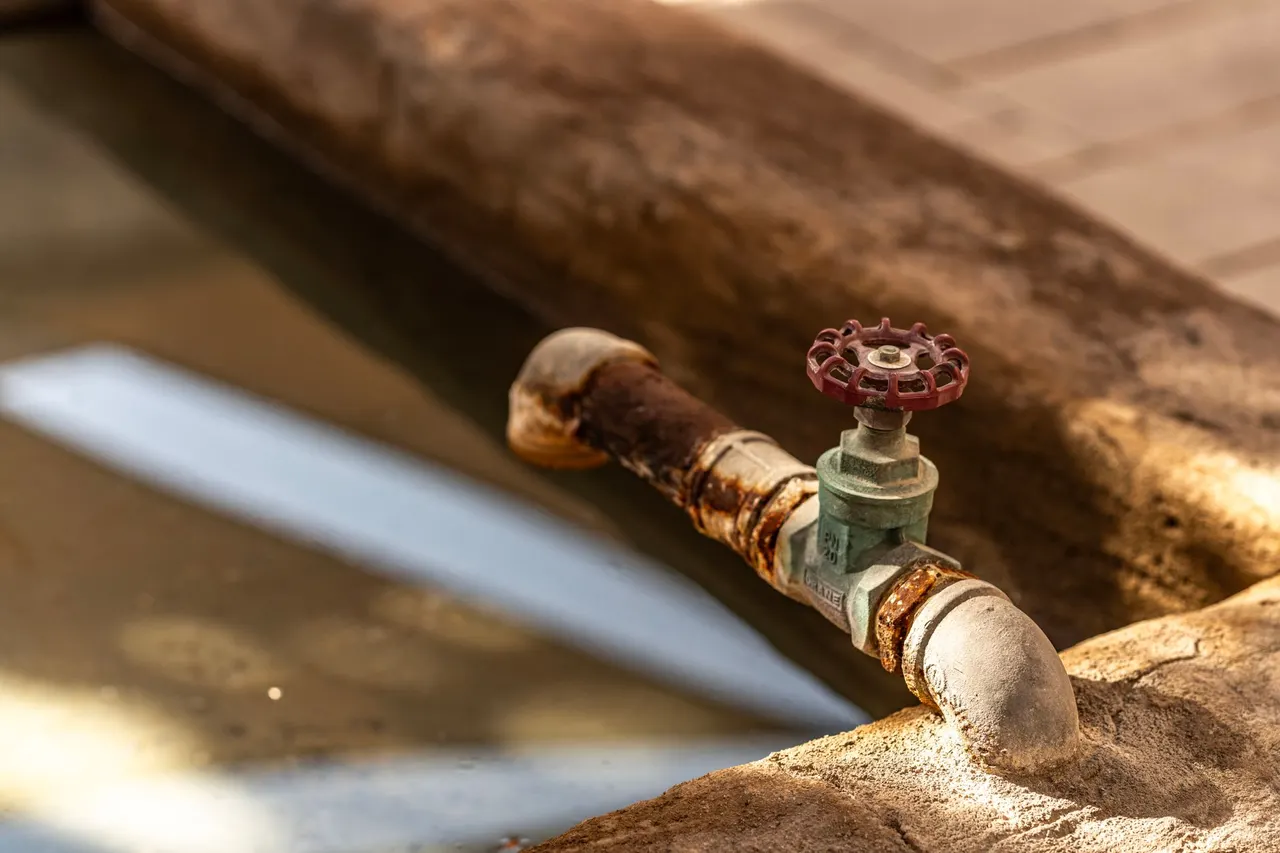
For PEX and some copper connections, we use SharkBite and Uponor fittings. They're reliable and code-approved for potable water.
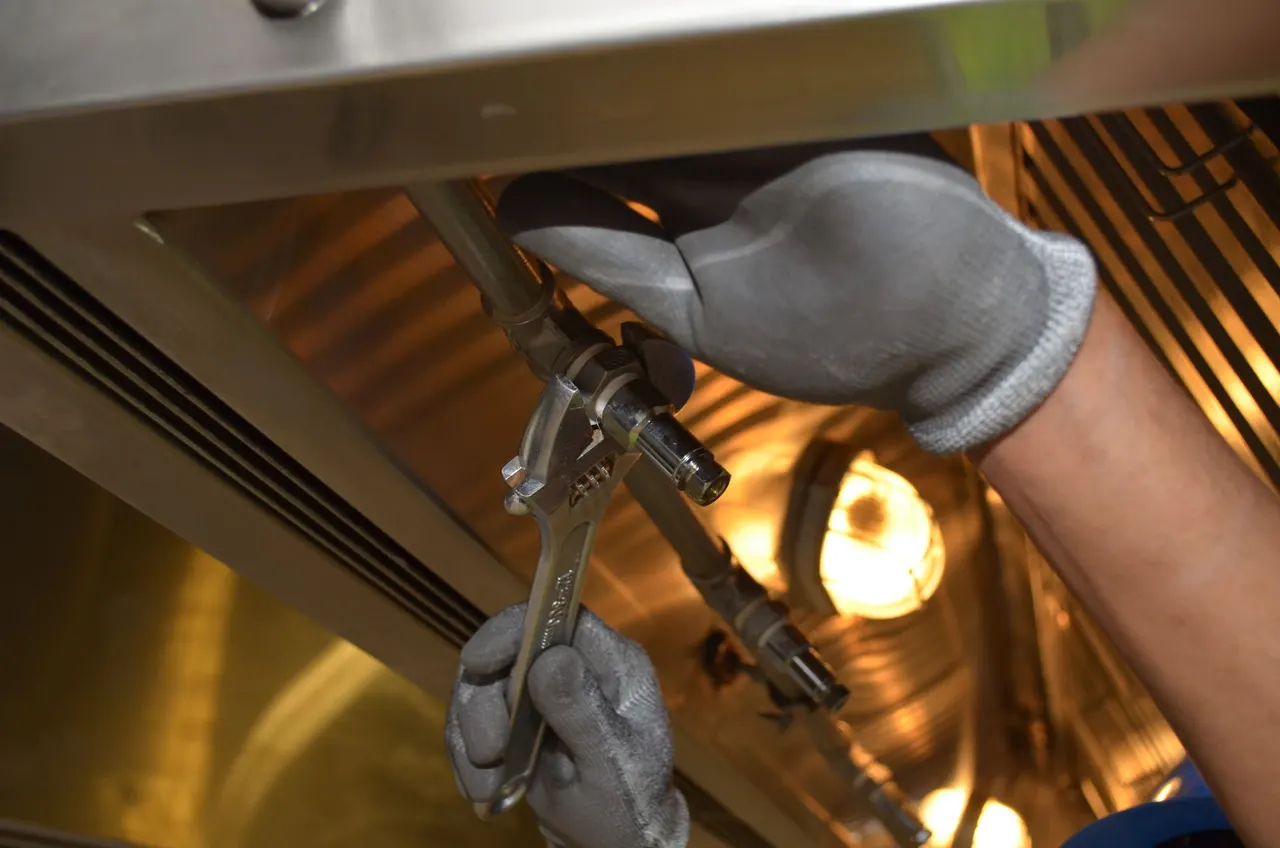
We use electronic equipment to listen for and locate leaks under the slab. It's accurate and doesn't require tearing up the floor. This is always our first step before recommending a reroute.
We reroute just that branch, running a new line through the attic to the affected fixtures. We cap the old line and pressure-test the new one. This is the most common reroute we do. You get hot water back without jackhammering the floor. The leak stops, and the rest of your plumbing stays untouched.
We recommend a whole home re-pipe with PEX. We run new lines to every fixture, abandon the old copper, and pressure-test the entire system. It takes four to seven days. You get decades of reliable service and no more surprise leaks. The house is fully re-piped and up to code.
We schedule the reroute after hours or on a weekend to minimize disruption. We run new lines through the ceiling or walls and test everything before we leave. The business stays open, the leak is fixed, and the building is back to normal without a multi-day shutdown.
We do a fast reroute to get the leak fixed before closing. We provide documentation of the work and the permit so the buyer's agent has what they need. The sale moves forward, and the new owner gets a plumbing system that's been fixed correctly.
Wilson has a mix of older homes with original copper plumbing and newer builds with PEX. The older homes, especially those built before 1980, often have copper pipes that have pitted from decades of water chemistry. We see slab leaks frequently in these neighborhoods. The soil here also shifts with our wet winters and dry summers, which puts stress on under-slab lines. When we reroute, we run new lines through the attic or walls, which takes them out of the shifting soil entirely. We follow North Carolina Plumbing Code and pull permits when required. If you're searching for emergency pipe rerouting Wilson NC, we can usually get to you the same day. We serve ZIP codes 27896, 27893, 27894, and 27895.
A homeowner in Downtown Wilson had a hot water slab leak that had been patched twice. The floor was warm near the bathroom, and the water bill had climbed $110 in two months. Two other plumbers recommended jackhammering the slab.
We rerouted the hot water line through the attic in two days. The warm spot disappeared, and the next water bill dropped by $95. The homeowner kept their floors intact and avoided a major demolition project.
We recommend checking under sinks and around the water heater once a year for signs of leaks. If you notice a warm spot or a spike in your bill, call us early.
A 1965 home in West Wilson had original copper pipes that were failing in multiple places. The homeowner was dealing with low water pressure, discolored water, and recurring leaks. They wanted a permanent solution.
We re-piped the entire house with PEX in five days. Water pressure improved immediately, the discoloration stopped, and the homeowner hasn't had a leak since. The job passed inspection with no issues.
PEX requires no special maintenance, but we suggest flushing the water heater annually and keeping an eye on the main shut-off valve.
A retail building in Wilson County had a supply line leak that was threatening to shut down the business. The owner needed the leak fixed without closing for days.
We rerouted the line after hours over two evenings. The business stayed open, the leak was fixed, and the building passed inspection. The owner avoided a multi-day shutdown and lost revenue.
We recommend annual inspections of commercial supply lines and immediate attention to any signs of moisture or reduced pressure.
If you're dealing with any of these, rerouting is likely the fix. We see them all over Wilson County, and we know how to solve them without tearing your house apart.
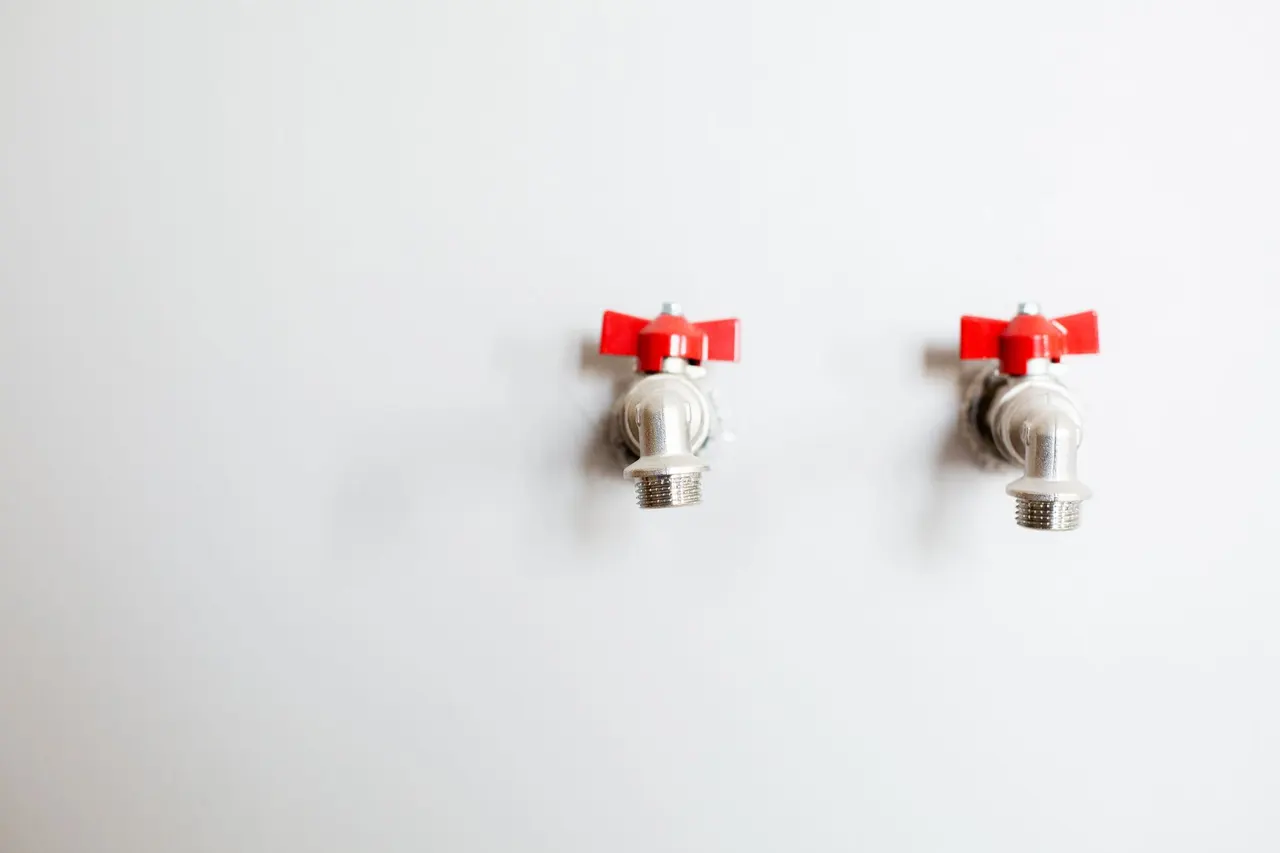
We reroute the entire branch, taking the failing pipe out of service permanently. The new line runs overhead or through walls, so the old pipe can't leak again. You get a permanent fix, not another patch. If the same line keeps leaking, patching it is a temporary fix. The pipe is failing, and it will leak again. You'll keep paying for repairs that don't last.
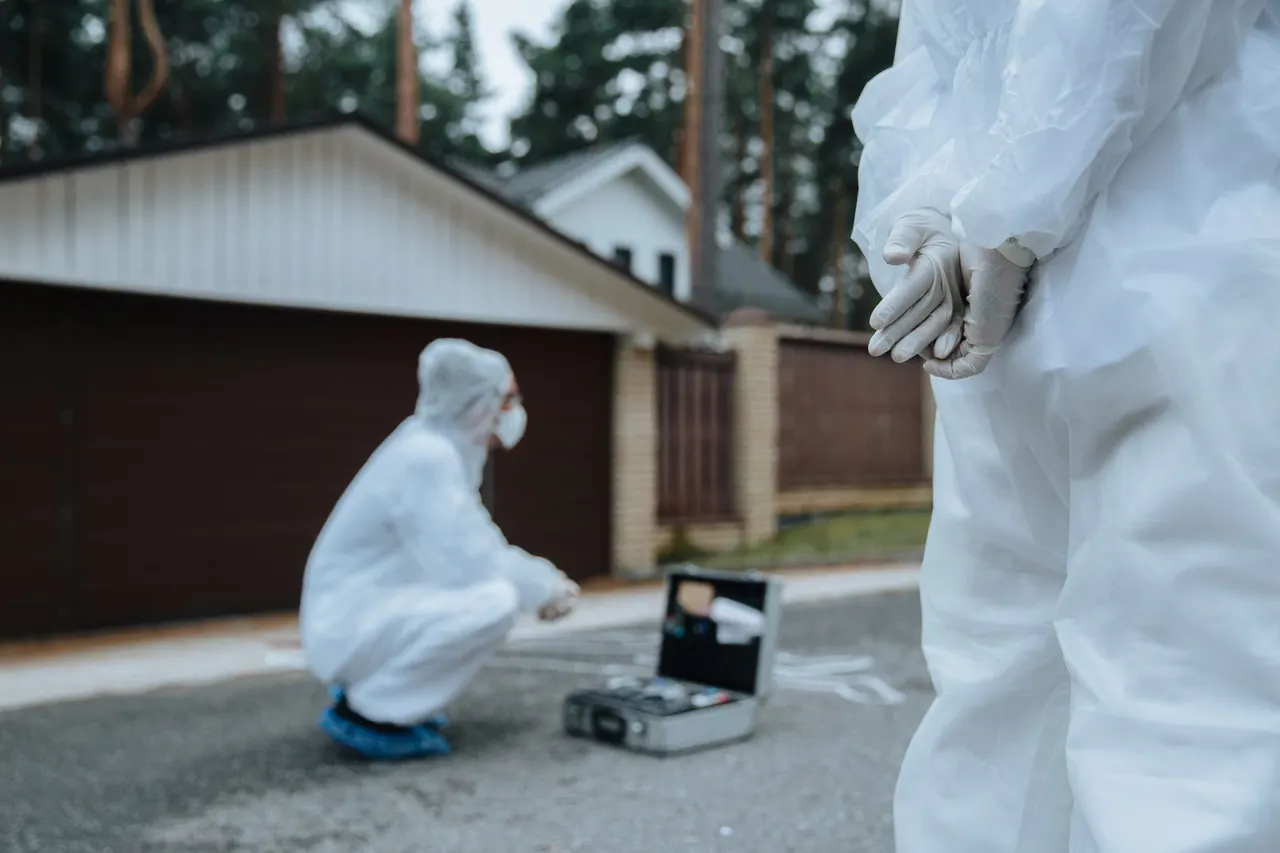
We locate the hot water line with thermal imaging, then reroute it. The warm spot disappears because the leaking pipe is no longer carrying water. Your energy bill and water bill both drop. Warm spots mean hot water is leaking under your slab. It's wasting energy and water, and it can damage your foundation over time. Ignoring it only makes the problem worse.

We use acoustic and electronic leak detection to find the hidden leak, then reroute the line. Once the old pipe is capped, the waste stops. Most customers see their next bill drop by $60 to $120. A hidden leak can waste thousands of gallons a month. You're paying for water that's going into the ground, and the leak is only getting bigger.

We trace the sound with acoustic equipment, confirm the leak, and reroute the line. The noise stops because the water is no longer escaping. You get quiet and a dry slab. That sound means water is moving through a broken pipe. It's a sign of a slab leak or a failed line, and it won't stop on its own.
We don't jackhammer your foundation to reach the old pipe. Instead, we run new lines overhead or through walls, which means no concrete dust, no patching, and no waiting for a concrete crew. You keep your floors intact and your family out of a construction zone. Most jobs are done in two to three days.
A slab leak can waste 10,000 gallons a month or more. Once we reroute and cap the old line, that waste stops immediately. Wilson homeowners we've helped often see their next bill drop by $60 to $120, depending on how long the leak was running. That savings adds up fast.
We use copper pipe or PEX tubing, both rated for decades of service. PEX won't corrode like the old copper did, and it handles Wilson's water chemistry without pitting. We pressure-test every line before we close up walls, so you know it's holding before we call the job done.
Whole home re-piping Wilson can take a week or more. Rerouting just the failed branch is faster and less invasive. If you have one bad line, we can often have you back to normal in two days. If multiple lines are failing, we'll tell you straight and price both options.
Clear records you can keep and share.
Clear plan of what we'll reroute and where.
Proof the new lines hold before we close up.
Copies of permits and inspection results.
Rerouting is a permanent fix. Patching is temporary. Knowing the difference saves you money.
New lines are out of the failing soil. They won't corrode like the old pipe did. You get decades of service.
A patch fixes the symptom, not the cause. The pipe is still failing and will leak again. You'll pay twice.
Copper and PEX are both code-approved. PEX resists corrosion better in Wilson's water. We'll help you choose.
Not sure if we cover your street? Call and ask. +1 619 927 0746
Most single-branch reroutes in Wilson run $1,800 to $4,500 in 2026, depending on how many fixtures we're reconnecting and how far the new line has to travel. Whole home re-piping Wilson NC cost can range from $6,000 to $12,000 for a typical 1,500 to 2,500 square foot home. We give you a written estimate before any work starts.
Rerouting means we abandon the failed section and run a new line around it, usually just for one branch or fixture group. Re-piping means we replace all the water lines in the house. Rerouting is faster and less expensive; re-piping is the better call when multiple lines are failing. We'll tell you which one fits your situation.
Yes. Rerouting is one of the most permanent fixes for a slab leak because it takes the failing pipe out of service entirely. We cap the old line, run a new one overhead or through walls, and pressure-test it. The leak stops because that pipe is no longer carrying water. Re-piping for slab leaks Wilson NC is often the long-term answer when several lines are corroded.
A single-branch reroute usually takes one to three days. A whole-home re-pipe takes four to seven days, depending on the size of the house and how many fixtures we're connecting. We work full days, not half-days, and we keep you informed each morning about what we're doing and when we expect to finish.
We answer our phone, we show up when we say we will, and we give you a straight price before we start. If you've got a leak that won't quit, call us now. Same-day estimates available.
Call us at +1 619 927 0746 or email info@slableakrepairwilsonnc.com. We answer calls Monday through Friday, 8am to 6pm, and return after-hours messages first thing the next morning. If you have a slab leak, call. We will tell you what we can do and when we can be there.